

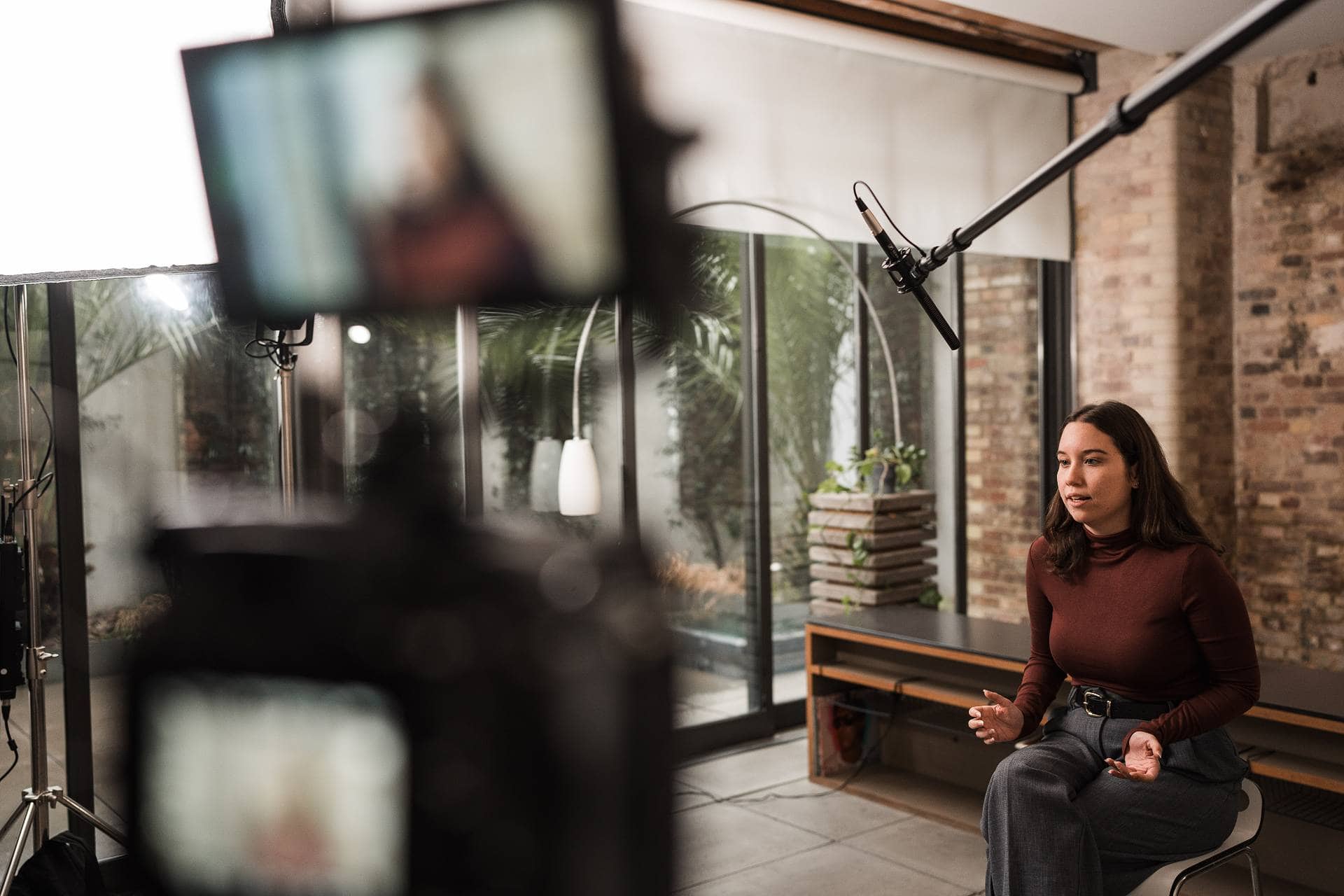
We’ve made a lot of testimonial films over the years. We’ve worked with global brands, smaller businesses and just about everything in between, across industries ranging from construction and technology to pharmaceuticals and education.
What we’ve found over time is that we get asked a lot of the same questions before and during the process. So, we thought we’d put together a little guide covering the things you might want to know before commissioning a testimonial film. From how much they cost, to getting your clients in front of a camera without making them feel like they’re auditioning for a movie.
We’ve got twelve questions to get through, so let’s crack on.
1. What is a testimonial video?
A testimonial video is essentially an opportunity to point the camera at your most valuable asset: your customers.
Rather than telling prospective clients how brilliant your business is, you allow the people who have actually used your product or service to do the talking. And, as we’re sure you’ll agree, hearing something positive from a real customer carries considerably more weight than hearing it from the business itself.
Typically, a testimonial film will feature one or several customers talking about their experience, supported by some carefully chosen b-roll (the additional footage you see cut around the interview).
The finished film might be a punchy 30-second social media asset or a more considered, story-led piece running a few minutes.
It’s also worth distinguishing between a testimonial and a case study. A testimonial is largely about someone’s experience and opinion. A case study tends to tell a bigger story, usually focusing on a particular challenge, how it was overcome and the results achieved.
Both are brilliant ways of showcasing your work, but they serve slightly different purposes.
2. Are testimonial videos actually effective?
Absolutely YES.
In fact, we’d argue that there has never been a better time to invest in this type of content.
We’re living in an age where Ai can generate incredibly convincing images, voices and even entire videos. And whilst it’s fine to embrace technology, there’s also something more authentic about watching a real person, in a real environment, talking about a genuine experience.
People like to see real people sharing their honest opinions, not necessarily the business itself gloating about how good they are. As they say, “the proof is in the pudding” so why not let somebody else tell the world how good you are. It’ll generally go a lot further than saying it yourself.
And something to keep in mind is that if your client agrees to partake in saying a few words about you on camera, it’s mostly because they have good things to say.
3. How much does a testimonial video cost in London?
Generally speaking, the overall cost of a testimonial film is governed by (but not limited to) a few main factors, such as:
- The number of interviews.
- The amount and type of b-roll required.
- The number of final assets.
- The location.
But between you and me, if you were looking at two interviews, some location b-roll, one filming day in London, along with the necessary pre-production and post-production, and a finished film of around two to three minutes, your investment would start at approximately £3,800 (+VAT)
Bargain, I’d say.
Of course, every project is different, and we’ll always want to understand exactly what you’re trying to achieve before putting a quotation together.
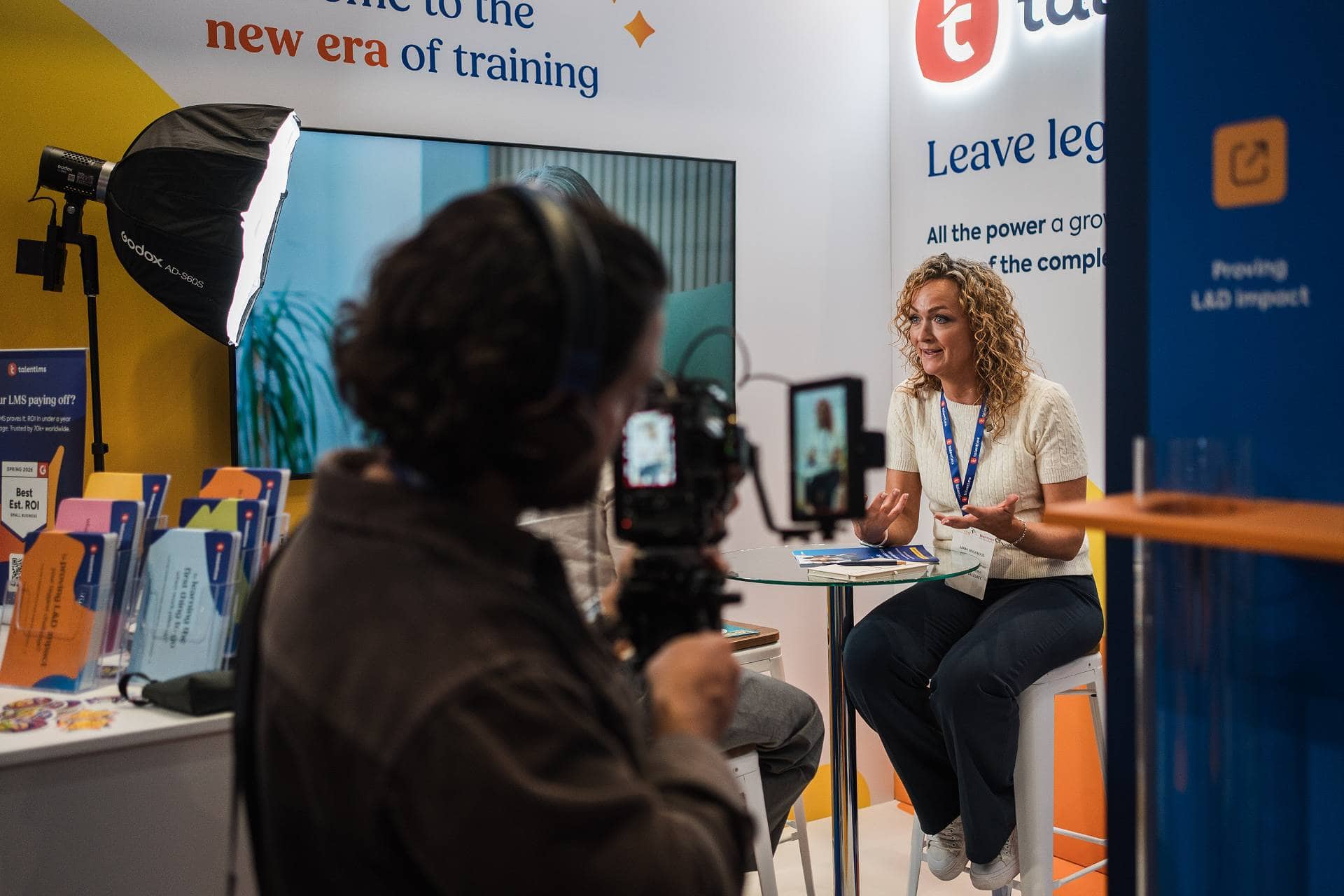
If your budget is a little tighter, there are ways to make things more efficient. For example, filming several testimonials in one location, or capturing a “talking head” style interview at an event where your customers are already gathered.
If you’re interested in understanding how video production budgets are put together more generally, we’ve also written a little piece on how much a corporate video costs
Thinking about making a testimonial film? We’d be happy to talk through your project, even if you’re still at the planning stage. Get in touch with us here.
4. How long should a customer testimonial video be?
This very much depends on where you plan to show the content.
If you’re looking at social media Reels or Stories, we’d generally recommend keeping things to around 30–60 seconds, as you’ve only got a short window to grab someone’s attention on these platforms.
If, however, the film is destined for LinkedIn, YouTube or your company website, there’s a little more scope to produce a longer form edit.
Here, we can start to introduce a more story-led narrative, allowing the interviewee to expand on their experience and giving the viewer a better understanding of what makes your business special. These films might run anywhere from two to ten minutes, depending on the creative idea and intended audience.
Our advice? Don’t just make one version if you don’t have to.
A good filming day can provide enough material for a longer master film, several shorter social edits and perhaps a few individual interview clips. It’s a much more efficient way of getting value from your production budget, and means you’ve got content ready for a variety of platforms.
5. What industries benefit most from testimonial videos?
If your business provides a product or service that someone can describe as “Good”, “Great” or “Excellent”, then there’s a pretty good chance you’ll benefit from a testimonial film.
It’s not particularly industry-specific.
We’ve worked across a huge range of sectors, from construction and technology to schools, pharmaceuticals, logistics and professional services. And whilst the environments might be very different, the underlying idea remains the same:
Give your customers an opportunity to talk about their experience, and let prospective customers hear it for themselves.
Of course, different industries bring different challenges. A pharmaceutical company might have compliance requirements, a school might have safeguarding considerations, and a construction site will have its own health and safety procedures.
These are all things we’re accustomed to working around. The important thing is to understand the environment ahead of time and allow enough time in pre-production to anticipate any limitations the location might present.
You can see a little of the variety of projects we’ve worked on in our portfolio
6. How do you get a client to agree to appear on camera?
Ah, now this is an interesting one.
In our experience, getting someone to agree to appear on camera is often one of the biggest hurdles when organising a testimonial film.
People can be surprisingly camera-shy, even when they’ve got wonderful things to say about your business.
Our advice? Make it easy for them.
Firstly, ask at the right time. If you’ve just delivered a fantastic project, solved a particularly tricky problem or received some glowing feedback, that’s probably the moment to ask. Don’t leave it six months and expect the same enthusiasm.
Secondly, explain exactly what’s involved. A request to “appear in a video” can sound quite daunting. A request to spend an hour or two chatting with a small film crew, at a location they’re already familiar with, sounds considerably more manageable.
A few other things that can help:
- Send the questions in advance, so your client or customer has time to think about what they’d like to say.
- Explain where the film will be used, so they understand what they’re agreeing to and who might see it.
- Offer something in return, so they get something useful out of the experience too. This could be professional photographs, a copy of the finished film or a co-branded asset for their own channels.
- Get us involved early, so we can explain what’s involved and help put them at ease before filming day.
7. What questions should you ask your customers?
This is where a little bit of creative thinking goes a long way.
We always advise working backwards from the messaging you want the finished film to communicate.
For example, if you’re a pharmaceutical company and you want a clinician to talk about how your product has helped patients, think about the most targeted question you can ask to get that response.
Something along the lines of:
“How has using this product helped improve outcomes for your patients?”
Or, if you’re a construction company looking to demonstrate reliability, perhaps:
“What stood out about the way we managed the project, from the initial planning through to delivery?”
The idea is to encourage answers that actually tell a story, rather than simply prompting someone to say how wonderful you are.
A couple of things to consider:
Keep the questions tight. Five well-considered questions are generally far more useful than ten vague ones. Remember, the final edit needs to be short and punchy, particularly if you’re incorporating several interviewees.
Avoid yes-or-no questions. Asking someone whether they were happy with your service is likely to get you a nod. Asking what they enjoyed most about working with you is much more likely to generate an interesting, long-tail answer.
Our expertise sits firmly in the world of story-led video content, so we’re always happy to share our thoughts on a proposed list of questions before filming.
Ultimately, the goal is to create something that looks authentic, feels genuine and gives your audience a reason to listen.
8. What if the person being interviewed is nervous?
First things first, don’t worry. It’s completely normal.
Unless your client spends their working week in front of a camera, there’s a good chance they’ll feel a little apprehensive about being interviewed.
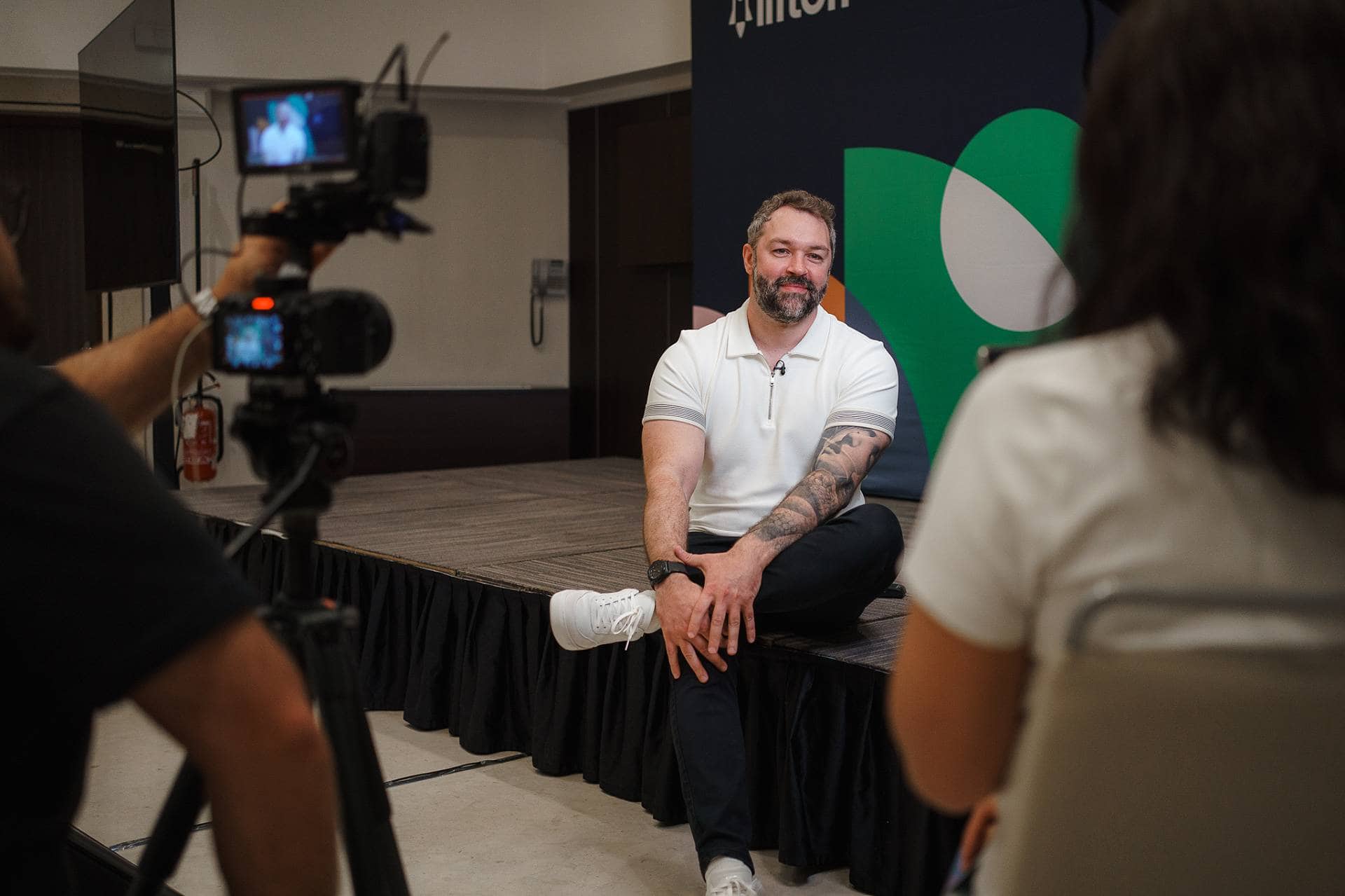
Good communication beforehand helps, as does allowing plenty of time for the interview itself. It’s worth remembering that a fair bit of that time is spent chatting, getting to know the interviewee and helping them feel comfortable in their surroundings.
The important thing is to create an environment where people feel comfortable enough to forget they’re being filmed. That’s when the really good content tends to happen.

9. How do you film testimonial videos that look natural?
Things that look “natural” take extensive amounts of preparation and experience to execute. We like “natural”. We like “documentaries”. It’s the creative realm we like to exist in.
In nearly all cases, we’ll visit a location ahead of the allocated video production day itself to identify the most suitable spaces for our interview setup. From there, we’ll plan the lighting, audio, scheduling and logistical requirements.
It means that when we arrive on the day, we can hit the ground running, with little to no surprises.
And that preparation is particularly important when working with people who aren’t accustomed to being in front of a camera. The less time we spend faffing around with equipment, the more time we have to focus on the interview itself.
Like the old saying “Give me six hours to chop down a tree and I will spend the first four sharpening the axe.”
Better planning equals more time, and more time equals a calmer environment for everyone involved.
10. How long does the process take, and what do we get at the end?
Every project is different. Your testimonial film could be anything from a single-camera setup capturing a talking head interview only, to a more cinematic production featuring multiple interviews across different locations, with a bunch of supporting B-roll. There’s no limit to the creativity that can go into a testimonial film, and that’s what makes each one individual to your company or business.
For a fairly standard testimonial film involving, say, two interviews and supporting B-roll at a single location, we’d generally recommend allowing around three to four weeks from the initial brief to final delivery.
That might look something like this:
- Week 1: Pre-production – Understanding the brief, arranging interviews, scheduling and planning the shoot.
- Week 2: Filming – A dedicated shoot day or two, capturing interviews and supporting B-roll.
- Weeks 3/4: Post-production – Editing, colour grading, sound mixing and any final amendments.
On the filming day itself, we’d typically allow around one hour per interviewee. The actual time spent answering questions on camera might only be 20–30 minutes, with the rest of the time dedicated to helping the interviewee feel comfortable and capturing alternative takes.
It’s also worth remembering that we might be filming in a real working environment. Sometimes interviewee availability can change on the day, so building in a little flexibility helps keep everything running smoothly.
What you receive will really depend on the overall project budget, but a typical delivery might include:
- A finished master film, colour graded and sound mixed.
- Shorter social media edits in 9:16 and 1:1 formats, where required.
- Full interview recordings and transcripts.
If you’d also like some behind-the-scenes photography or supporting commercial photography, it’s worth considering this at the early stages. It’s usually more cost-effective to capture everything in one visit than to arrange a separate photography shoot further down the line.
11. Will you need consent forms?
Yes, you’ll need to make sure that everyone appearing in your testimonial film has given the appropriate permission for their image, voice and contribution to be used.
We can provide release forms as part of our production process, or your company may already have some in place.
There are also few additional things worth considering before a shoot:
- Usage: Will the film appear on your website and organic social channels only, or will you be sharing the content with your clients that feature in the testimonial film?
- Approval: Does the interviewee, or perhaps their communications team, need to review the film before publication?
In some industries, particularly medical, additional approval processes may be required, so it’s always worth checking as this could impact post production timings considerably.
12. Where should businesses use testimonial videos?
Anywhere a potential client, partner or investor might see them!
Your website homepage, individual service pages, LinkedIn, Instagram, Facebook, YouTube, email campaigns, sales presentations, proposals, trade stands, events, board meetings… you name it.
One of the biggest mistakes we see is businesses investing in a fantastic piece of video content, only to publish it once and then leave it sitting somewhere on their website.
Don’t do that!
As mentioned earlier in this article, a testimonial film can be repurposed in so many different ways. You might have a two-minute master film for your website, a 30-second version for LinkedIn, a couple of individual interview clips for social media and some still images to accompany a newsletter.
Suddenly, one filming day has provided you with a whole library of useful marketing assets.
Thinking about a testimonial film?
If you’re in need of a new or updated testimonial film, whether in London or anywhere across the UK, we’d love to hear from you.
Whether you’ve already got a list of willing participants or you’re still trying to work out how to get your clients on board, we’re happy to have a chat.
Tell us a little about what you’re looking to achieve, and we’ll give you an honest idea of what’s involved, what we’d recommend and how we can help.
Want to talk?
If you have any questions about booking a video production team for your next project, or just fancy a quick chat about our kit, production process … or favourite coffee shops in London, feel free to reach out.
We’re always up for a chat!
Latest projects
Featured Video Productions

Journey of Wood

Landmark Global

FP McCann

Thomas-McBrien Architects

The Timber Frame Company
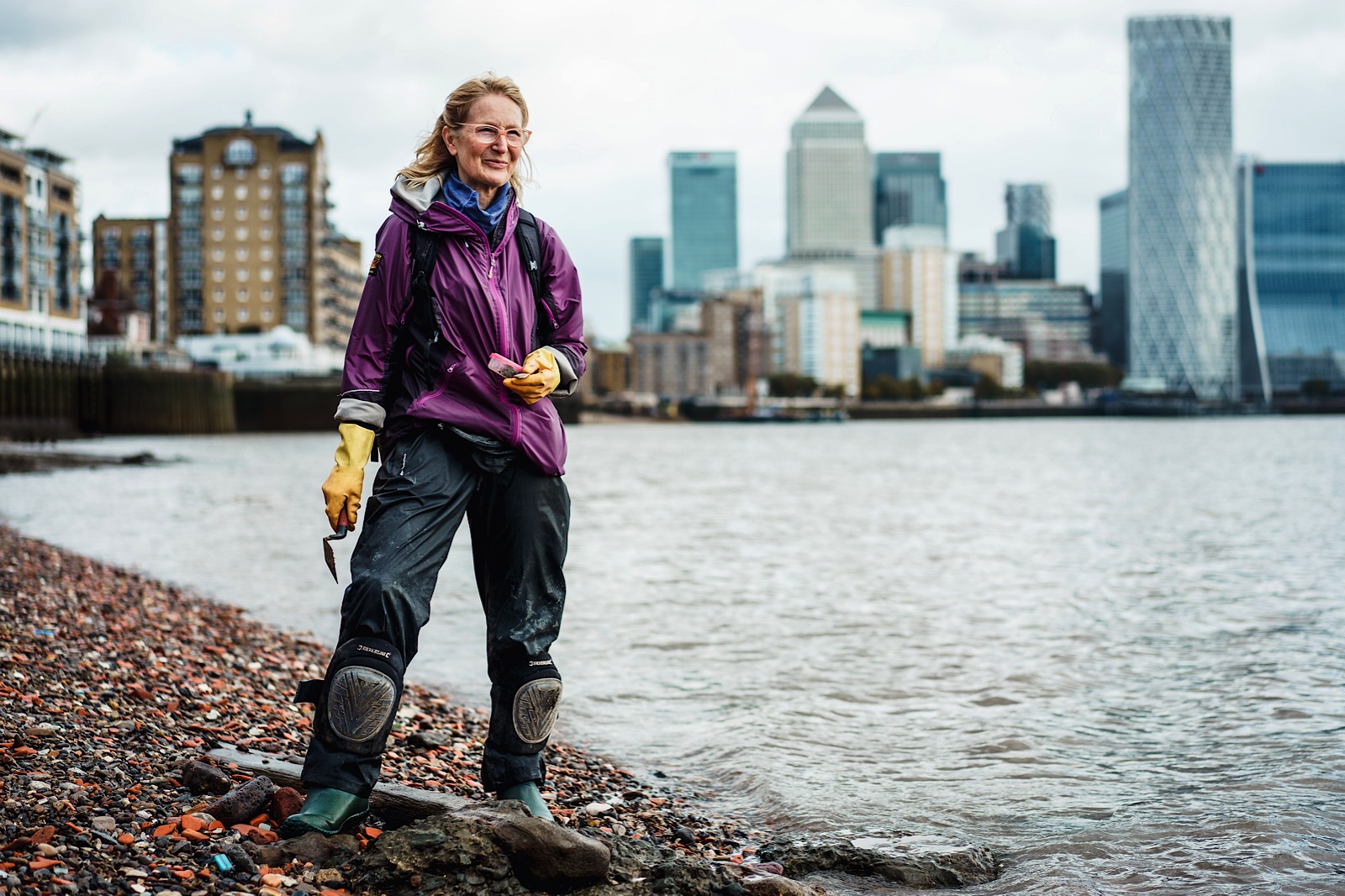
A London Mudlark

Strettons Commercial Property
